Serving Ontario — Ottawa to Toronto & cottage country Mon–Sat 7am–7pm  ·  343-466-2215

Tick Defence

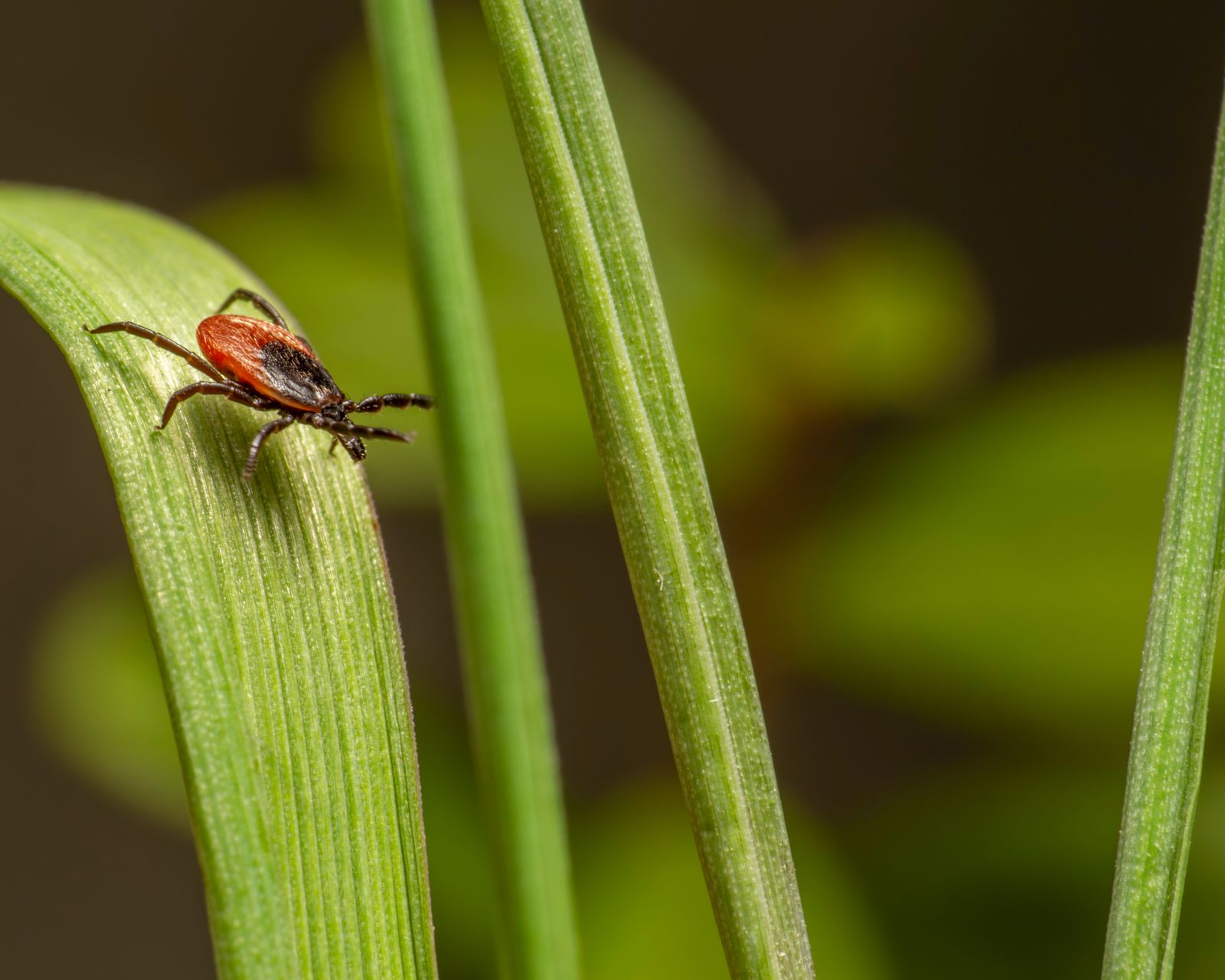
Blacklegged ticks — and the Lyme disease they carry — are spreading across Ontario. Our perimeter treatments hit the habitat they can't live without.

  • Licensed & insured
  • Free re-sprays between visits
  • Kid & pet friendly once dry

Get a free quote

Same-day reply

No spam, no contracts, no obligation — or call 343-466-2215.

A blacklegged tick questing on a blade of grass
The problem

Ticks don't wander in. They're already at your property line.

Ticks quest from tall grass, leaf litter and wooded edges, waiting for a leg — or a paw — to brush past. Public health units across Ontario now flag much of the province as established blacklegged tick risk area.

  • Perimeter barrier treatmentWe treat the transition zones ticks use to enter your yard: wood lines, tall grass edges, stone walls, leaf litter and shaded fence rows.
  • Protects pets, not just peopleDogs pick up ticks fastest. Habitat treatment slashes exposure in the yard where they spend all day — complementing, not replacing, your vet's prevention.
  • Spring and fall pressure coveredAdult blacklegged ticks are active from the first thaw and again in late fall. Our program starts in April and runs past Thanksgiving.
The service

What's included in every visit

Habitat perimeter spray

Targeted application along wooded edges, ornamental beds, tall grass and leaf litter — the top tick zones on any Ontario lot.

Pet-zone focus

Extra attention on dog runs, kennels, shade spots and the paths pets patrol along your fence line.

Habitat reduction advice

A quick punch list after each visit: where to cut grass, clear brush or move wood piles to make your yard hostile to ticks.

How it works

From first call to full protection

Tick habitat audit

We identify questing zones — edge habitat, leaf litter, moisture pockets — and flag the highest-risk areas for kids and pets.

Targeted treatment

A licensed technician treats the perimeter and hot spots. Unlike blanket spraying, this concentrates product where ticks actually live.

Seasonal re-treatment

3 targeted applications every 60 days starting in April, July, and September, tracking tick activity peaks from spring thaw to late fall.

Season Protection Timeline

Mosquito & Tick Seasonal Calendar

See how our 21-day protection cycle syncs with Ontario pest life cycles, biological risk windows, and plant growth from spring thaw through fall frost.

BUZZGUARD Seasonal Schedule
April
May
June
July
August
September
October
Tick Control Service Tick Spray Schedule
Tick Exposure Risk Indicator
60 DAYS
60 DAYS
60 DAYS
Tick Life Cycle 2-Year Development
Year 1
Engorged Adult Tick Lays Eggs
Tick Larva Aggressively Feed — 1st Blood Meal
Year 2
Tick Nymphs Aggressively Feed — 2nd Blood Meal
Adult Ticks Aggressively Feed — 3rd Blood Meal
Mosquito Control Service Mosquito Spray Schedule
Mosquito Pressure Indicator
14 DAYS 21 DAYS 21 DAYS 21 DAYS 21 DAYS 21 DAYS 21 DAYS
Plant Foliage Development most effective residual control is achieved when full plant foliage is present
Evergreen Foliage Coverage Only
New Deciduous / Plant Growth Begins
Full Foliage + Plant Coverage
Service Application (Click for details)
Approximate Coverage Range
Low to High Activity
June Field Guide

Peak Mosquito Pressure & Dangerous Nymph Ticks

Get Protected for June
Mosquito Pressure Peak Swarm Pressure

Humidity and warm evenings produce maximum mosquito swarms. Female mosquitoes require blood meals every 3–4 days to produce new egg clutches.

Tick Risk & Life Cycle Peak Threat (Poppy-Seed Nymphs)
Year 2: Tick Nymphs Aggressively Feed (2nd Blood Meal)

Nymph ticks feed aggressively for their 2nd blood meal. Tiny as a poppy seed and with painless bites, nymphs cause over 70% of human Lyme infections.

Plant Foliage & Adhesion Plant Growth Closes / Full Canopy

Deciduous leaves reach near-complete expansion by late June. Dense canopy creates deep shade where adult mosquitoes shelter from midday heat.

Scheduled BuzzGuard Services
FAQ

Frequently asked questions

Do I really need tick control in Ontario?

Risk areas for blacklegged ticks now cover most of southern and eastern Ontario — Kingston and the Thousand Islands are among the highest-risk zones in Canada. If your yard touches woods, tall grass or a trail, treatment meaningfully cuts exposure.

Does yard treatment prevent Lyme disease?

It dramatically reduces the tick population in your yard, which is where most family and pet exposure happens. Keep doing tick checks after hikes — but your own backyard shouldn't be the risk.

Is the treatment safe for my dog?

Yes — once dry (about 30 minutes), treated areas are safe for pets. The program is designed to work alongside veterinary tick prevention, giving your dog two layers of protection.

When should tick treatments start?

April. Adult blacklegged ticks become active the moment temperatures pass 4°C, well before mosquito season. Early treatment knocks populations down before they breed.

Can you combine tick and mosquito treatment?

Yes — the Total Defence bundle treats both (plus spiders) in one visit cycle, and it's cheaper than booking separately.

Also from BuzzGuard

Keep ticks off your family and pets.

Free quotes, no contracts, and a re-spray guarantee on every visit. Most quotes delivered same day.